
di Andrea Romanazzi
The witch, an enigmatic figure steeped in mystery, has increasingly established itself in the contemporary collective imagination, tracing a fascinating path through the various facets of modern culture.
From a time when she was an emblem of evil and danger, today the witch has become an icon of female power and resistance against social injustices and prejudices. This transformation has had a significant impact not only in the entertainment sphere, but also in political and spiritual movements.From television series to novels, from social media to spiritual practices, the presence of the witch becomes more and more evident, reflecting a growing awareness of the importance of the feminine and minorities in the social context. Across the four waves of the feminist movement, neopagan religions, esoteric practices, and popular culture, the figure of the witch emerges as a symbol of rebellion and autonomy.Through digital media, such as Facebook, Instagram and TikTok, witches gather to share knowledge, organize online rituals and promote their vision of the world. These virtual spaces become arenas of cultural and political exchange, where witches come together to fight injustice and promote diversity and inclusion.The evolution of the figure of the witch also reflects changes in contemporary spirituality, characterized by greater openness towards personal experience and interconnection with nature. Witches embody the idea of freedom from religious and cultural conformity, embracing a spirituality that values authenticity and empathy.The advent of the Internet and social media has amplified the voice of witches, allowing more and more people to identify as witches and connect with other similar communities around the world. The pandemic has further accelerated this trend, pushing ritual practices and distance learning through digital platforms. The future of online witches is difficult to predict, but it is likely that the use of social media will continue to shape and influence their practices, facilitating the sharing of knowledge and the organization of rituals.
However, a critical reflection can be made on the tendency to “sweeten” the figure of the witch, transforming her into an icon of positivity and activism, and in this process the complexity and richness of the concept of witchcraft could be lost. In folklore and history, witches were often ambiguous figures, capable of both good and evil, and represented a kind of connection to a world not imprisoned in rigid ethics and morals.The modern representation of the witch as an exclusively positive figure could risk erasing this ambivalent dimension and reducing its historical and cultural relevance. Furthermore, the commercialization and appropriation of the figure of the witch for entertainment and consumption purposes could empty it of its original meaning, transforming it into a simple fashion or marketing symbol.
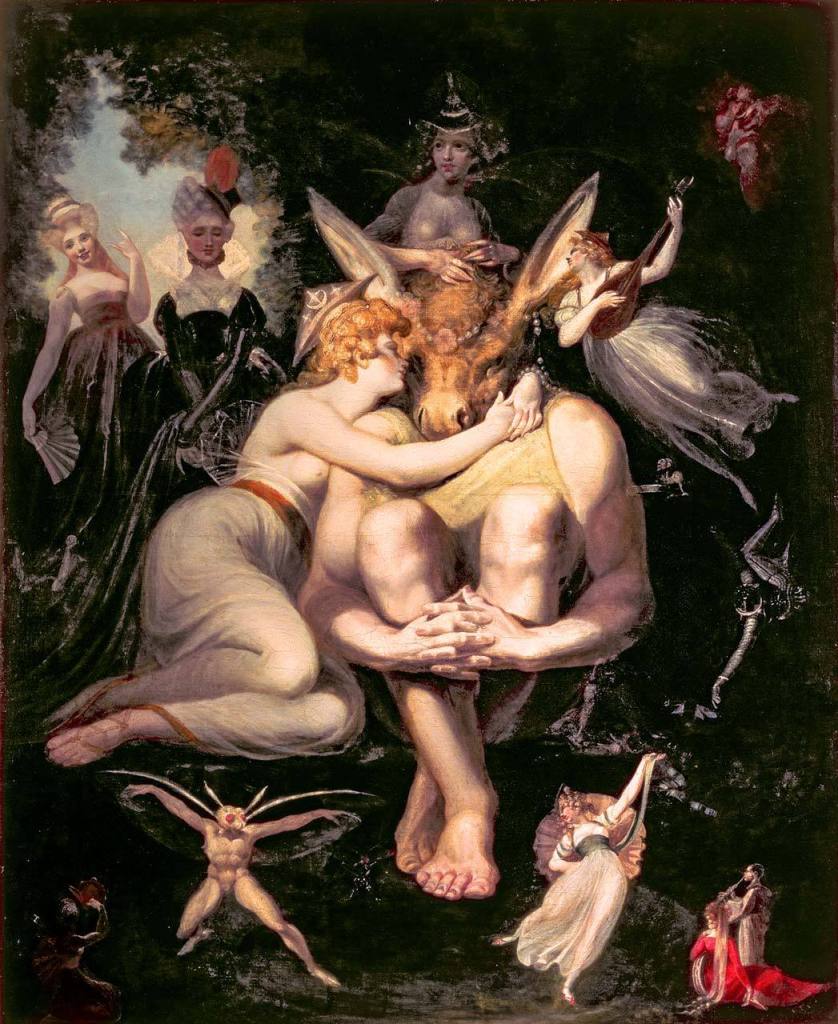
The story of the witch is an intricate mix of myth and reality, which has gone through various phases over the centuries. In the 17th century, the Catholic Church portrayed witches as followers of a dark cult, fueling the myth of the diabolical witch and starting a witch hunt that resulted in countless victims. In the 20th century, scholar Margaret Murray proposed a radically different interpretation, suggesting that the witch trials were actually an attempt by the Church to repress ancient pagan practices related to the worship of a mother goddess and her consort. These theories, later adopted by neo-pagan and feminist movements, contributed to redefining the very concept of the witch, transforming her from a symbol of evil to an icon of female power and wisdom.
In the process of re-signifying the figure of the witch, an important role was taken on by Wicca, a neo-pagan religious movement that originated in the 1950s in England and which attracted numerous followers, including several feminists. The practice of magic, traditionally reserved for men and cultural elites, also became accessible to ordinary women, challenging traditional conceptions linked to the Christian worldview. With globalization and the internet this woke idea of the witch has become even more evident.One of the main risks is the reduction of witchcraft practice to a form of “do-it-yourself magic”, distant from the complexity and depth of past traditions.Furthermore, the ephemeral and visually oriented nature of social media can lead to a simplification and trivialization of witchcraft practice, where the emphasis is placed more on appearance than substance.Finally, the presence of online debates and controversies can contribute to fragmenting and dividing witchcraft communities, rather than encouraging sharing and collaboration.
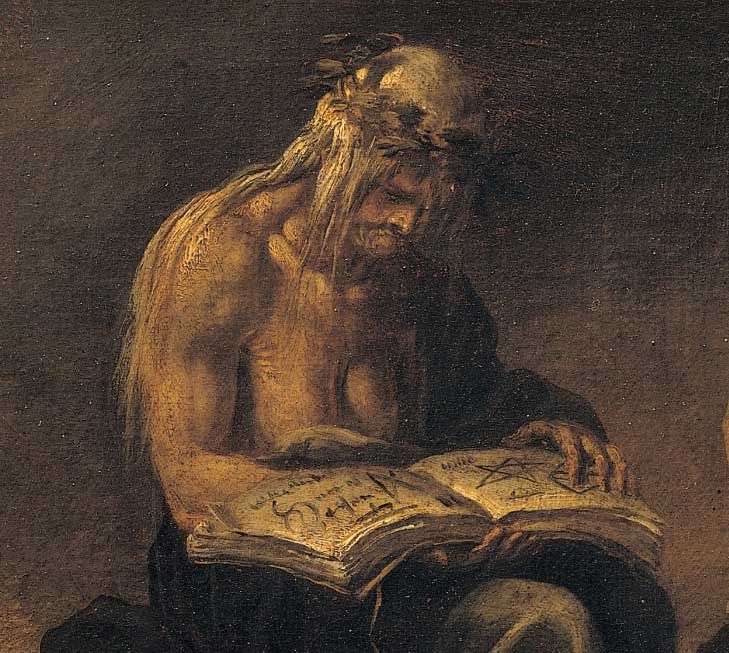
The witch 2.0 therefore presents itself as an evolution of the traditional figure, adapting to the digital context and the challenges of the contemporary world. This new incarnation of witchcraft incorporates elements of ancient traditions, modern spirituality and social activism, creating a bridge between past and present.The Witch 2.0 is an inclusive and diverse figure, reflecting the richness of human plurality. Today’s witches welcome and celebrate diversity in gender, sexual orientation, ethnicity, and cultural background, promoting inclusion and mutual respect within their online and offline communities. On the other hand, eminent figures of the past such as Aleister Crowley, had a more individualistic and rebellious view of magical practice. Crowley was interested in the expansion of consciousness and individual liberation through the use of magic and occultism. He believed that each individual should find and pursue their own unique path to self-realization and the full development of their potential. For Crowley, magic was a means through which an individual could explore themselves, expand their consciousness, and realize their personal desires and aspirations. Consequently, his approach to magical practice was strongly oriented towards self-exploration and individual empowerment.
Furthermore, the witch 2.0 is engaged in social and political activism, using her magic to fight injustice and promote positive change in society, something that certainly was of little interest to the traditional witch who often lived in total isolation.Another distinctive aspect of the witch 2.0 is her online presence and her ability to navigate the digital world with wisdom and discernment. Using social media and other online platforms, Witches 2.0 connect with other practitioners, share knowledge and experiences, organize events and rituals, and support the expansion and evolution of the global witch community.The presence of witches online offers numerous opportunities for knowledge exchange, but also carries risks in terms of the loss of traditions.Traditional witchcraft often relies on practices and teachings passed down orally through generations, and may view modern witchcraft as a deviation or simplification of older, more authentic traditions. They may see modern witchcraft as a diluted or commercial form of magical practice, lacking the depth and richness of historical traditions. Furthermore, territorial and local routes are increasingly influenced dto a variety of sources, including psychology, occultism, New Age, and popular culture.
The witch 2.0, therefore, as a figure of woke culture is a synthesis of magic, spirituality and social commitment. She embodies the values of inclusiveness, equity and social justice, using magic as a means to promote positive change in the world. This witch is aware of the injustices and disparities present in society and is actively engaged in the fight for human rights, gender equality, environmental justice and other progressive movements. She uses her magical practice and spirituality as tools to support and amplify the voices of the marginalized and to combat systems of oppression and discrimination. Magical practice has also changed accordingly. The traditional nineteenth/twentieth century witch could practice a variety of magical rituals, often influenced by popular and folklore beliefs, such as spells for healing, protection or casting curses. Magical practices were often linked to superstition and folk magic. The woke witch, on the other hand, might practice a more modern form of witchcraft, influenced by movements such as Wicca or neopaganism, which values self-exploration, personal empowerment, and social activism. His magical practices can be oriented towards personal healing, environmental awareness and minority empowerment.
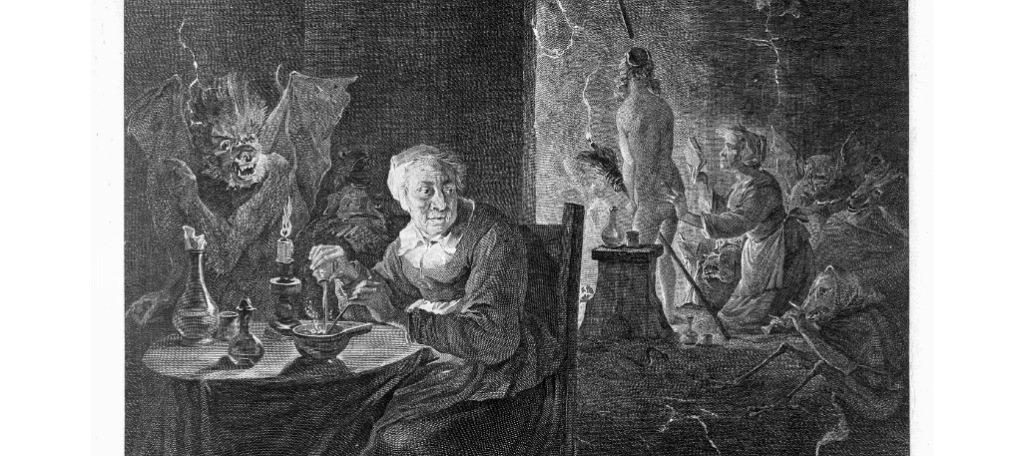
the transformation of the figure of the witch over the centuries is a complex phenomenon that can be evaluated in different ways. On the one hand, this transformation has contributed to dismantling the negative and demonized perceptions associated with witchcraft, pushing towards a more positive and inclusive vision of magical practice and spirituality. Modern witches embody values of autonomy, equality, and connection to nature, and have played a significant role in the empowerment of women and minorities.
On the other hand, some might consider this transformation as a loss of the darker and more mysterious traditions and beliefs associated with the traditional figure of the witch. The disappearance of these darker nuances could be seen as a reduction in the richness and complexity of magical practice and its history.




Rispondi